A clear plan, together.
Turn the problems in your head into an agreed business plan with owners, priorities and next steps.
Electrical contractor business coaching · 2026–2027
It’s 10 p.m. The tools are put away. The estimates, invoices and missed calls aren’t.
We’re electrical contractors, too. We travel to your business for hands-on work with you and your team. Let’s build a business your team can help run, and a day you can actually finish.
Builders United in Leadership Development. An electrical contractor association that comes to you: three days at your business, 90 days of implementation and 12 months of support.
Turn the problems in your head into an agreed business plan with owners, priorities and next steps.
Use the first 30 days to build your dashboard, customer database, content plan and follow-up process.
Work toward a connected sales and operations system in 90 days, with people trained to use it.
If this sounds familiar, you’re in the right place
You were told the trade offered good money and a future you could build with your own hands. So you learned the work. Took the risk. Put your name on the truck.
Now every question finds its way back to you. You can’t hire until you have more consistent work. You can’t take on more work because you’re already stretched. And even if you found the right person, when would you train them?
Dinner gets interrupted. The gym gets pushed to tomorrow. Sleep gets whatever is left. You’re working hard for the people you love, and seeing less of them.
You don’t need another binder collecting dust. You need a plan that fits your operation, people who work alongside you, and systems your team can keep using after we leave.
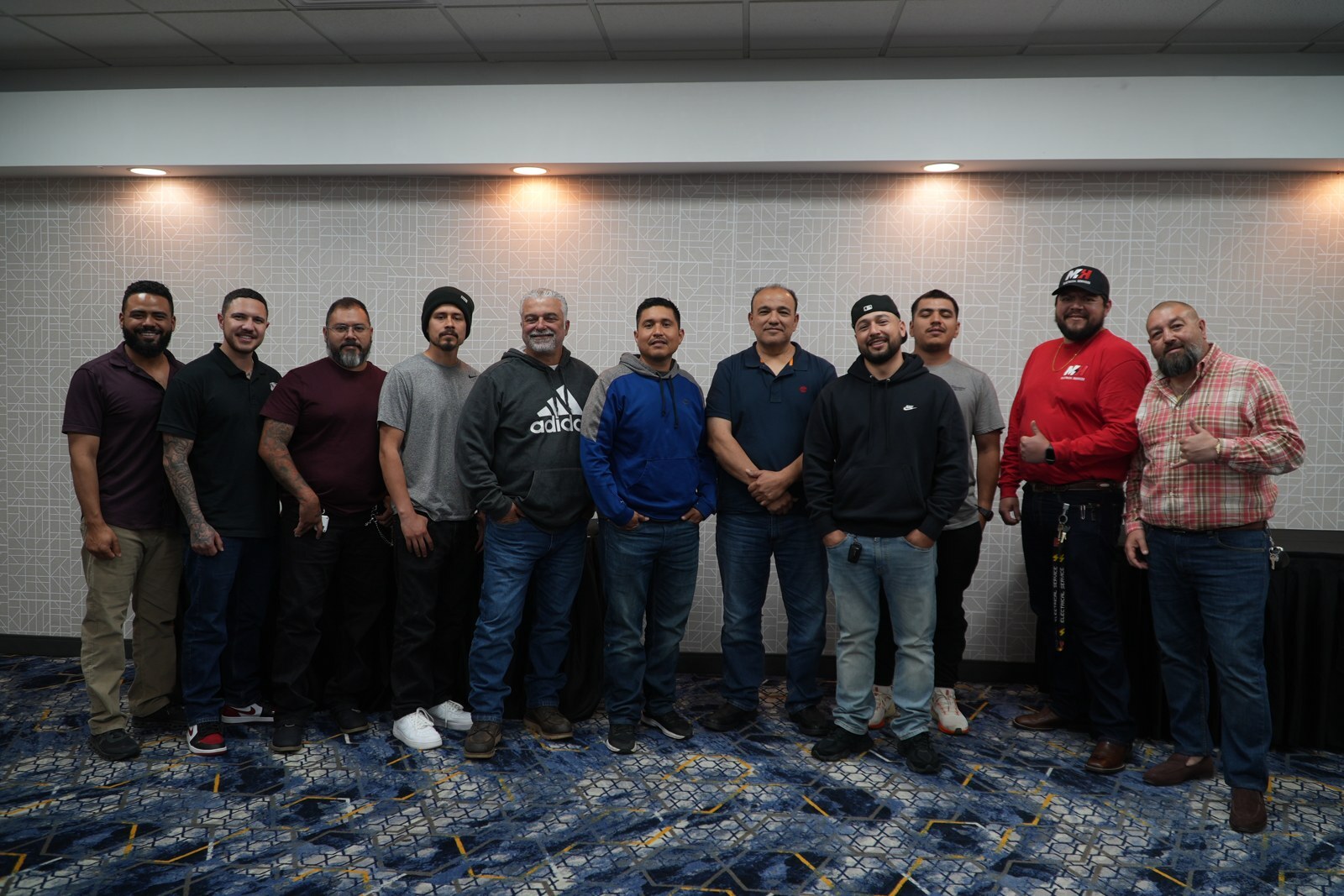
Blueprint to Pricing workshop in San Francisco. Finding work, pricing work and selling electrical work.
Get to know us on YouTube ↗Meet the people behind the plan
I’m Wilson Matthew Betances, known as Will—a master electrician, electrical educator, electrical inspector, electrical contractor, speaker, author and founder of Energize Us EDU. We travel, train, film and work with contractors because the most useful conversations often happen inside the business, not on another video call.
We bring that experience into business coaching for electrical contractors, with hands-on work on content, marketing, sales systems and team leadership.
We get to know the person behind the business, too. What do you want your days to feel like? What do you want to stop missing? That belongs in the plan.
Wilson Matthew Betances · Energize Us EDU Inc.
Here is what happens after you join
We bring estimating, customer follow-up, marketing, daily operations and team leadership into one agreed implementation plan. We coordinate three days at your business, focus the first 90 days on putting the agreed work into practice, and continue support across 12 months. Your priorities, deliverables and schedule are confirmed during onboarding.
At your business
Work side by side on your business plan and dashboard. Film media and a podcast for 90 days of marketing content.
Build the foundation
Build the agreed dashboard, customer database, website and inquiry journey. Connect content and follow-up, and train your team.
Put it to work
Implement and test the sales and marketing funnel, handoffs and agreed automations. Review what needs adjusting.
Keep strengthening
Continue reviews, maintenance and improvements, with leadership, delegation and team development tied to your priorities.
First · Get to know your business
We meet with you and your team, review how work comes in and gets done, and identify what keeps landing back on your desk. You receive preparation work and practical resources so our time together starts with real context.
Your first win: a shared set of priorities and the foundation of your Builder’s Business Plan.
Next · Three days on site
Wherever you are in the U.S., we coordinate three days on site at your business. We film media and a podcast, create 90 days of marketing content, and work together on your business plan and dashboard.
We capture the expertise, personality and work that make your company worth choosing. You leave the visit with a plan tied to your people, your customers and your next stage.
First 30 days · Build the foundation
We build out the agreed dashboard, organize the customer database, develop your website and inquiry journey, and connect the content and follow-up plan. Then we train your team on their part.
The goal: fewer forgotten leads, clearer responsibilities and a repeatable way to keep work moving.
First 90 days · Put it to work
We implement and test the sales and marketing funnel, handoffs and agreed automations. We review what is being used, what is getting stuck and what needs adjusting.
Your team learns to operate the system. Automation handles repeatable steps; your people still own the decisions, service and quality.
The rest of your year · Strengthen and grow
We continue with reviews, maintenance and improvements across the 12-month commitment. As the business develops, we work on leadership, delegation, team development and the next set of priorities.
The three-day experience
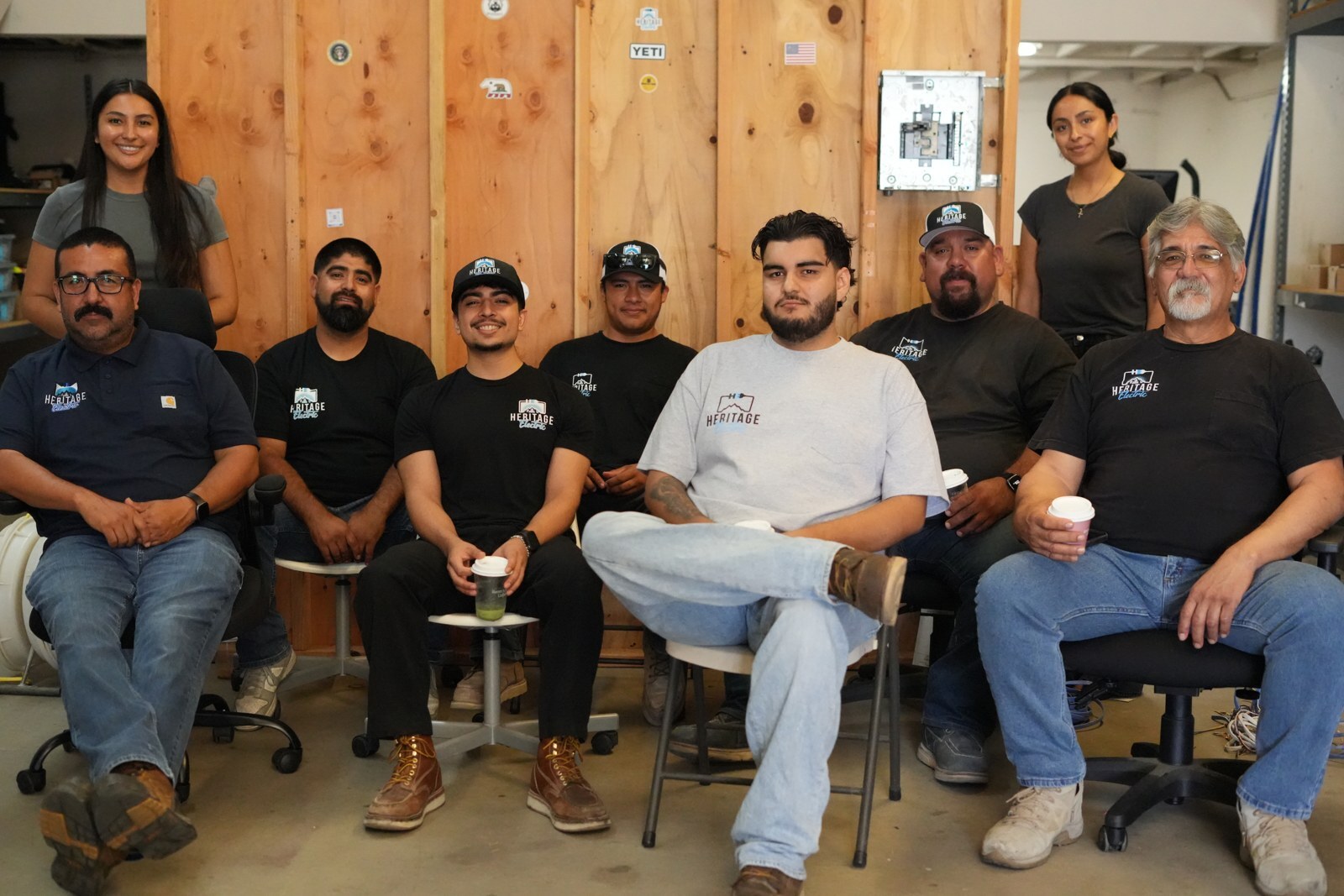
Time with the Heritage Electric team. We get to know the people who keep the work moving.
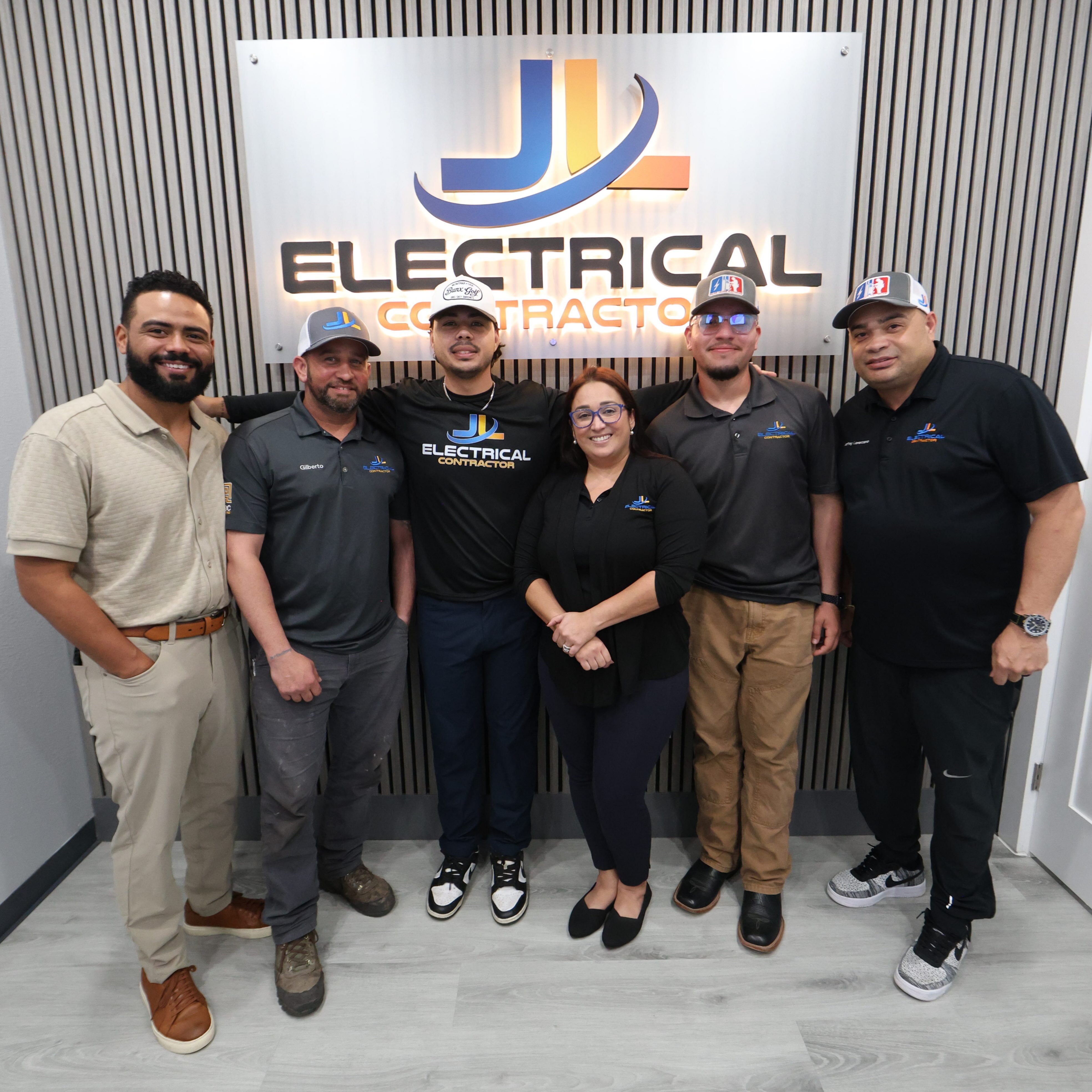
See our published contractor visits with JL Electrical, Campbell Bay Electric and Heritage Electric, including the Campbell Bay team’s work on foreman responsibilities, communication and planning. Explore contractor visits and supporting sources. These recaps show the work and conversations; they are not measured business-outcome case studies.
Explore our documented speaking work and 2026 Builders Convention recap.
At your shop, with your team, and in conversations across the trade.
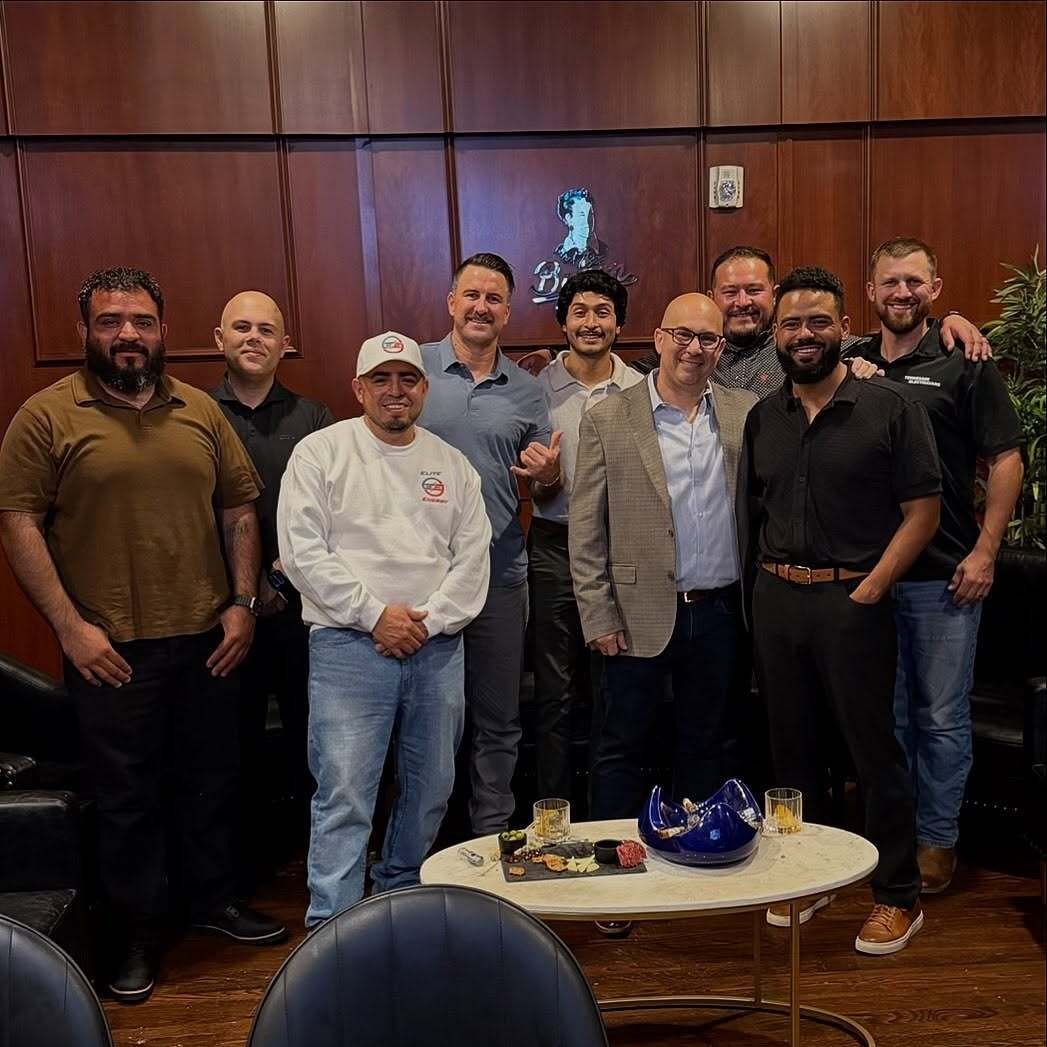
Experiences from our coaching and learning community.
Nick Gentile described applying lessons from the classes to make pricing more consistent and put business systems into practice at Spartan Hero Electric.
Nick Gentile
Spartan Hero Electric
Adan Ortiz said a coaching call helped him work through his overhead and what he should charge per hour.
Adan Ortiz
Edgar Velasquez described getting help understanding the different margins to consider when setting an hourly rate.
Edgar Velasquez
Eduardo Guzman said the community helped him feel more confident pricing jobs and clearer about whether the work would make or lose money.
Eduardo Guzman
Cameron said learning to account for overhead helped him rethink his pricing. Starting at $75 per hour, he reported increasing his hourly rate by roughly 60%.
Cameron Vogelsang
After two meetings with Will, Vlad said he was already approaching his business differently. Their work included starting the builder’s blueprint and discussing the numbers behind long-term success.
Vlad Kurkov
One member credited the community with helping him better understand hourly rates, profit and overhead, and identify ways to improve his business.
Community member · Name withheld
Everything should work together
A good video creates interest. A clear website gives that interest a next step. A trained team follows through. Your dashboard helps you see what happens next.
Film together. Find the useful stories inside your work. Build clips, topics and a publishing plan that sound like you.
Clear service pages, helpful answers, calls to action and forms that help people understand why to contact you.
A shared database, lead stages, estimate follow-up and a clear handoff so the next action has an owner.
Your own custom dashboard and website, connected to your CRM where supported. Starting without a CRM? We build the agreed customer database and lead workflow with you.
Document the routine, train people to use it, and practice the leadership and delegation needed to keep it working.
Join practical conversations, shared experiences and technical learning that connect business development to the trade.
Explore the approach
Explore our existing guides to pricing, bid review, job management, hiring readiness and customer communication.
Open the resource library ↗Try one working tool
Use our printable webinar action sheet to name a problem, decide what to keep, delegate or systemize, and define an owner, next action and review.
Open the action sheet ↗The worked example is illustrative, not a client result.
Bring your current bottleneck. We’ll review your goals, team and readiness, then discuss the right next step.
AI implementation for electrical contractors
We teach electricians how to implement AI in their business, drawing on our hands-on work with electrical contractors. Start with the work your team needs to get done, connect AI to a useful routine, and review the output before putting it to use.
The focus is practical implementation with your people: a process your team understands, can review and can keep using.
Wilson Betances also joined Chicago Build 2026’s HVACR Stage 6 panel, AI for HVACR Techs – Threat or Opportunity?, bringing an electrical contractor’s perspective to the conversation.
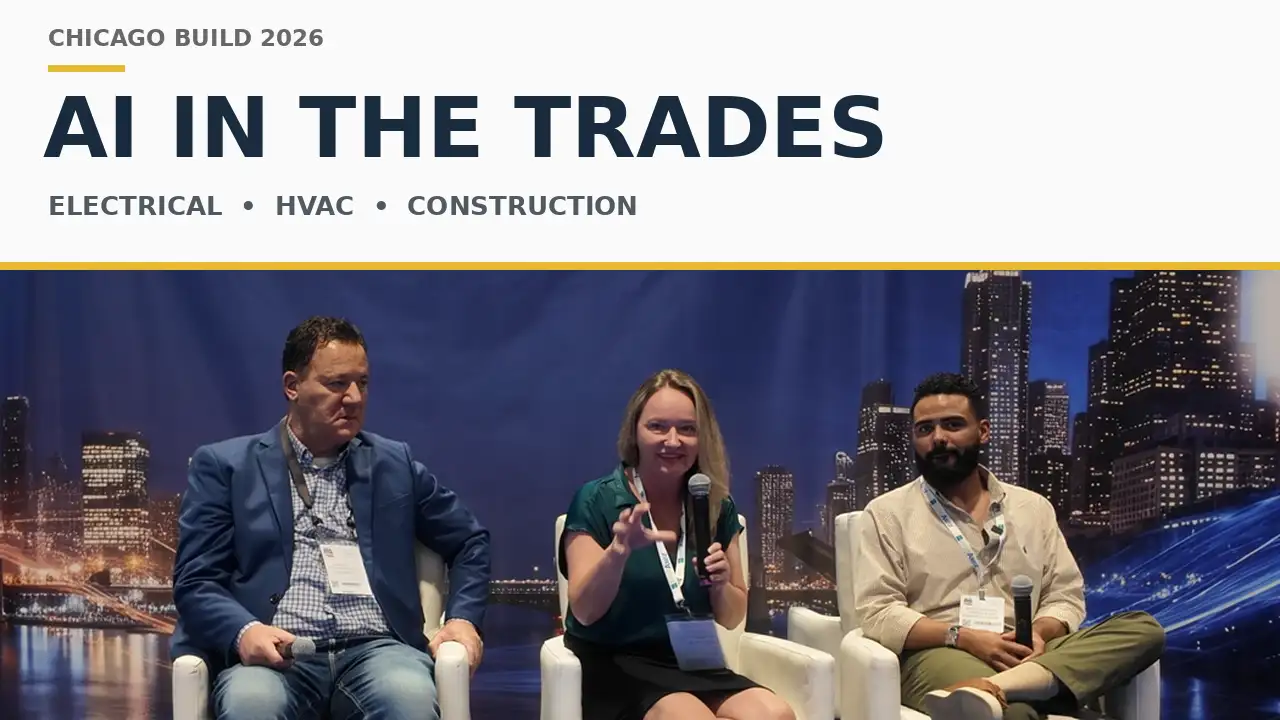
We practice the work we teach
On the Energize Us EDU podcast, Will and Cameron talk through the challenges of running a contracting business. Those conversations come from working in the trades, training teams and helping contractors put systems into practice. We bring that same experience into your marketing, content and sales plan.
For your business, we focus on useful measures: qualified inquiries, response time, estimates followed up and appointments booked. Attention matters most when there is a clear next step.
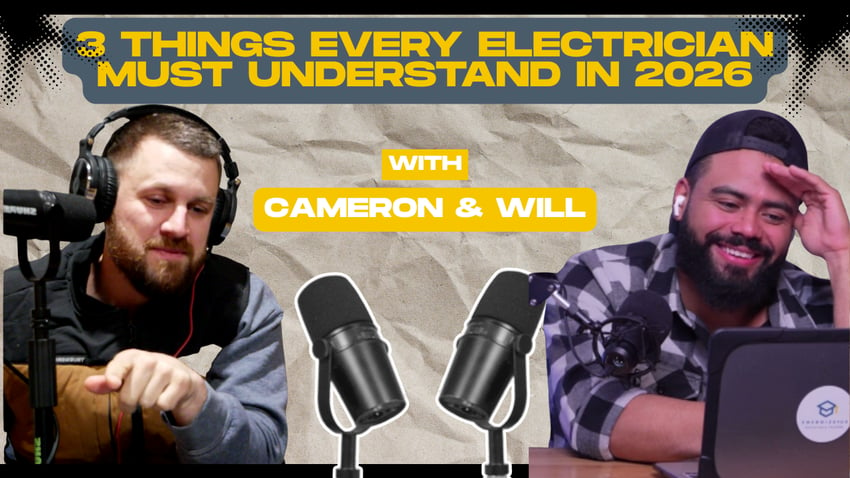
Watch the work, hear the conversations, and get to know the people.
Combined channel audience; not unique people.
A year worth showing up for
Travel with us to selected partner-sponsored events. Step away from the usual routine. Meet other contractors. Share a meal, compare notes and learn something you can bring back to your team.
Your membership experience includes a regional event, a regional RE+ experience together, and tickets to the Builder’s Convention on September 10–12, 2027, in Burbank, California, alongside your three-day onsite visit.
At the included regional experiences, housing and meals are included; flights are not. Dates, locations, attendee allocations and travel arrangements are confirmed in your membership plan.
Technical learning meets business opportunity
Available sessions depend on each event’s program. Licensing and installation requirements remain specific to the work and location.
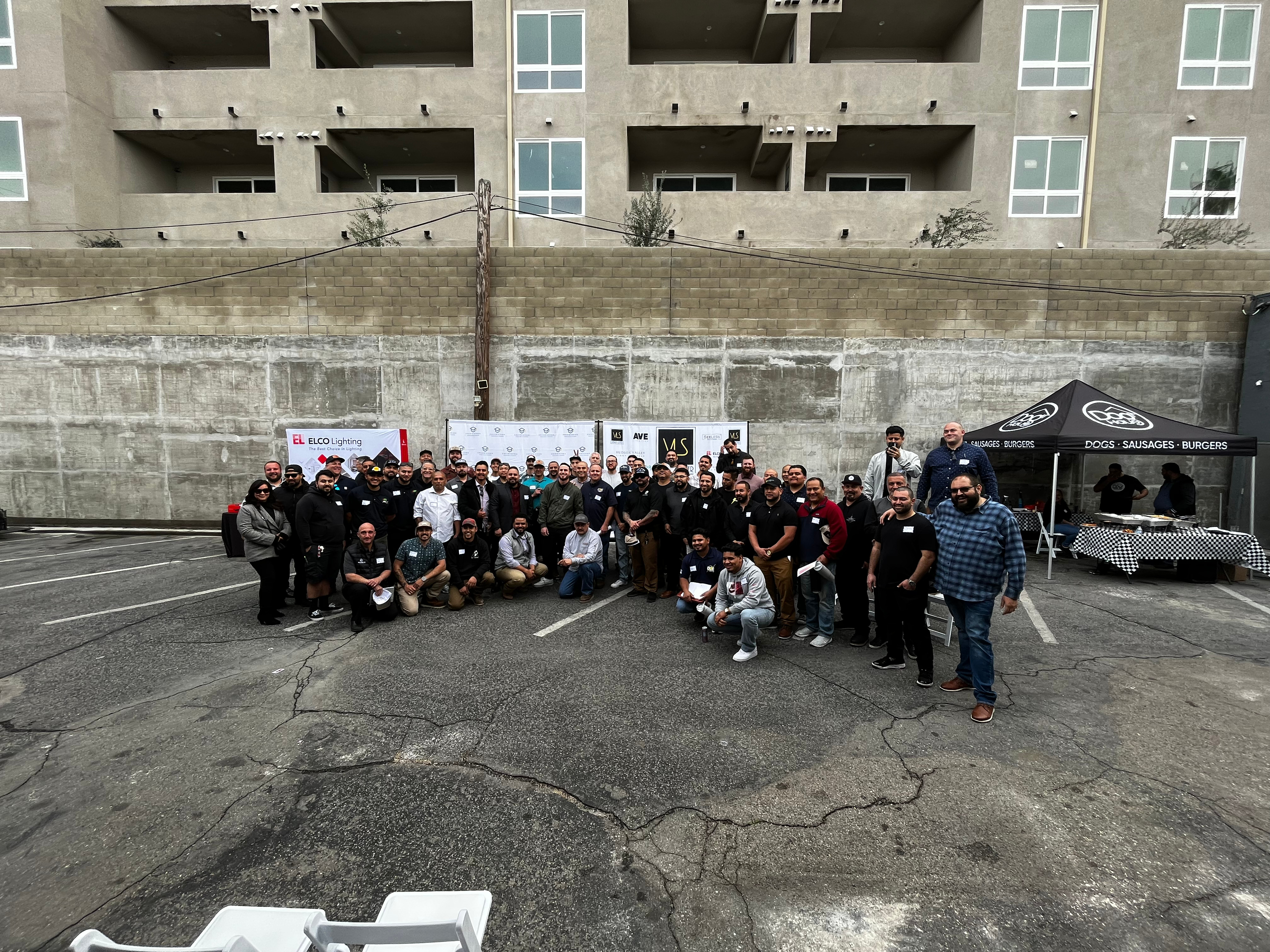
The right support around you
We help identify where you need better tools, more capacity or specialist advice, and connect those pieces to the plan.
From administrative support and operating tools to cash-flow conversations with qualified financial professionals, the aim is a better-supported owner and a more capable team.
Specific introductions and provider availability are discussed during planning. Third-party subscriptions, advisory services and additional engagements are separately scoped unless expressly included in your agreement.
Let’s find the right fit
Our business coaching is designed for established electrical and trade-business owners who want help implementing change. You might have three to five people, a few years behind you, and a business that still depends on you for nearly everything.
We review your stage, workload, resources and readiness together, so the plan fits the business you actually have.
Earlier in your journey? You can still get to know us through our educational content and newsletter.
Picture a different kind of day
Your team knows where the inquiry belongs. The next step is visible. Follow-up has an owner. You can see what needs your attention, and what someone else can handle.
That’s the direction we build toward. Not a life without hard work, but a business with more clarity, better habits and less dependence on one exhausted person.
Start with your actual bottlenecks. Build the systems, people and routines that reduce them. Track the progress against the way your business runs today.
Straight answers before we meet
BULD stands for Builders United in Leadership Development. The 2026–2027 BULD Association program is a 12-month contractor business-development and implementation experience from Energize Us EDU Inc. for established electrical and trade-business owners, including small teams. It brings together onsite planning, estimating and customer follow-up, marketing and content, sales systems, team training and continued support. The included event experiences also offer opportunities to meet other contractors and compare notes; technical sessions depend on each event’s program. Dates, attendee allocations and arrangements are confirmed in your membership plan. Start with an inquiry about your business stage and goals so we can review fit. An inquiry does not enroll you or confirm an appointment.
We coordinate three days on site at your U.S. business after enrollment and onboarding. We film media and a podcast, create 90 days of marketing content, and work together on your business plan and dashboard. Remote work and support continue afterward.
The first month focuses on the agreed business plan, dashboard, customer database, website and inquiry journey, content planning and team responsibilities. We confirm scope, access and sequencing during onboarding.
It means building, testing and putting the agreed sales, marketing and operating workflows into use, with team training. It does not mean the business needs no human attention or that every result is guaranteed.
Energize Us EDU helps established electrical and trade-business owners put estimating, customer follow-up, operations and team leadership into an agreed implementation plan. We work with the owner and team onsite and remotely, with responsibilities and progress reviews defined during onboarding. Tell us where work gets stuck so we can discuss fit. Compare programs by who will do the work, how the team will use it, the time commitment and any separate third-party costs.
Start with the scope: what is included, what is excluded, site conditions and the materials and equipment required. Estimate crew hours and the full cost of that labor, not just hourly wages. Add material costs, rentals, subcontractors and job-specific costs such as permits. Include a consistent share of business overhead and an allowance for identified job risks, then work out the price needed for your profit target. State assumptions, payment terms and how changes will be priced. After the job, compare estimated hours and costs with actual results so the next electrical estimate starts with better information.
Overhead is the cost of keeping the business running that is not assigned directly to one job: office support, software, general insurance and other operating expenses. Your hourly wage is not your selling rate. A starting point for allocating overhead is annual overhead divided by realistic annual billable labor hours; that amount must be recovered alongside direct job costs and profit. Do not count the same expense twice. There is no single hourly rate for every electrical contractor: your costs, billable capacity, job scope and market all matter. Review your cost categories with your bookkeeper or accountant.
Choose a profit target using your own costs, capacity and business needs—not a universal electrical-industry percentage. Markup is the amount added to cost; margin measures the amount left as a percentage of the selling price. For a simplified example, if all estimated job costs, including allocated overhead, total $1,000, a 20% markup gives a $1,200 price and a 16.7% margin. A 20% margin requires $1,250: $1,000 divided by 0.80. These figures illustrate the math, not a recommended rate or guaranteed net profit. Actual costs, taxes and other obligations affect what the business ultimately keeps.
We bring estimating and follow-up into the agreed implementation plan alongside your customer database, lead stages and team responsibilities. Discuss where estimates are tracked, who owns the next action and how follow-up is reviewed. Specific tools, handoffs and automations are confirmed during onboarding.
For the wider workflow, read our guide to electrical business management, from inquiry to payment.
We combine documented routines, team training and ongoing work on leadership and delegation. Discuss handoffs between the owner, office and crew leads, the responsibilities each person will own, and when a decision needs the owner’s attention. The agreed plan gives the team a process to practice and review.
For a first-time electrical foreman, start with a clear assignment: the work to coordinate, the people involved and the decisions they can make. Agree what must come back to the owner, especially changes to scope, cost or schedule. Practice a short crew briefing and an office-to-field handoff, then review what was understood and what got missed. Technical skill alone is not a leadership plan. Give the new lead a defined responsibility, appropriate supervision and regular feedback before expanding the role.
Read our practical guide to managing electrical foremen and apprentices.
Useful measures include qualified inquiries, response time, estimates followed up and appointments booked. Review those measures alongside whether your team is using the agreed workflows and where work is getting stuck. Confirm the starting point, review schedule and responsibilities during onboarding.
Yes. Our business coaching focuses on business implementation and team development. Employer electrical apprenticeship instruction is a separate offering using NCCER Electrical Levels 1–4, practical learning and progress tracking. Discuss each need with our team so the training requirements and business-development scope are agreed separately.
Yes. During the three days on site, we film media and a podcast and create 90 days of marketing content. We use our media experience to develop your story and useful clips. Distribution and production arrangements are agreed in your plan; no audience size or viral outcome is promised.
The experience includes the three-day onsite visit, one regional event, a regional RE+ experience and tickets to the Builder’s Convention on September 10–12, 2027, in Burbank, California. Housing and meals for the included regional experiences are included; flights are excluded. The membership agreement confirms attendee allocations and arrangements.
No. Start with an inquiry. We review your business stage and goals, then discuss whether a discovery meeting makes sense. Submitting the form does not enroll you or confirm an appointment.
Keep learning with our videos, podcast and optional newsletter. We can discuss your stage without pushing you into a commitment that is not a fit.
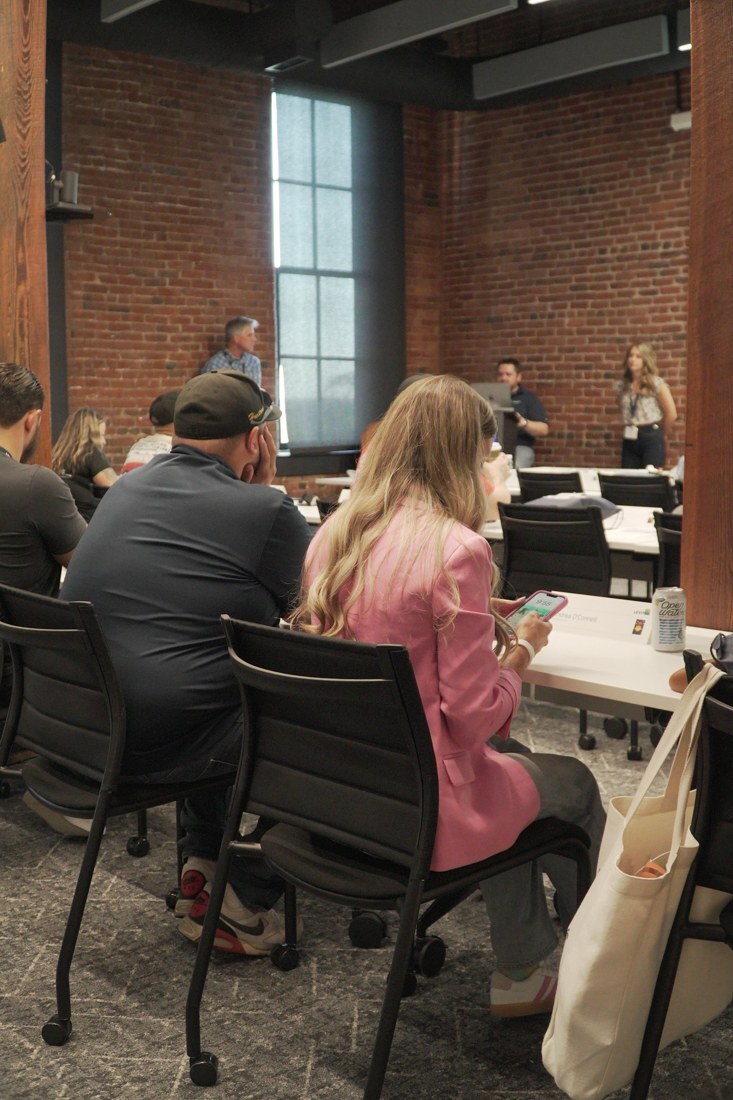
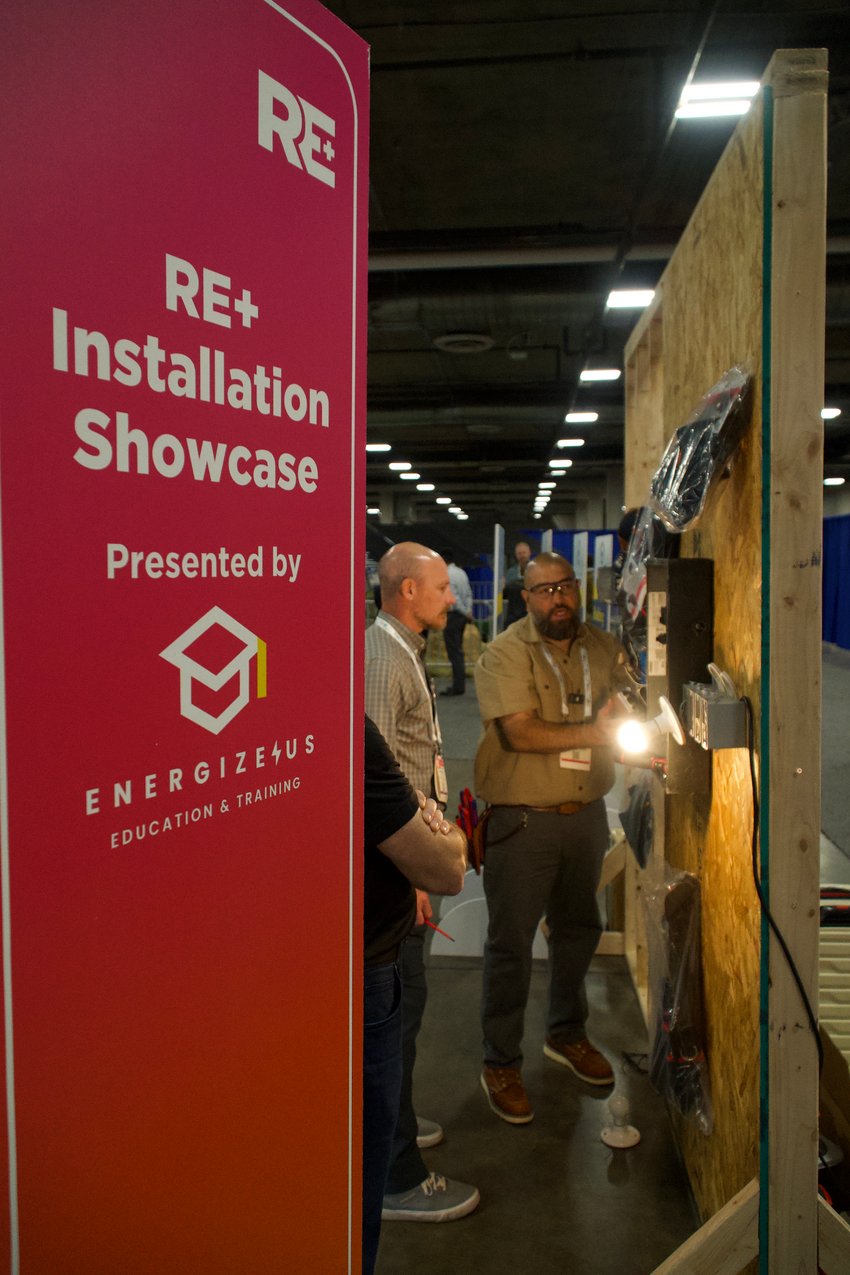
Learning together at Leviton Live. Technical education is part of the experience.
Your next chapter starts with a conversation
We’ll start with your people, your goals and the part of the day you’re ready to get back.